Choosing the right wooden stairs involves understanding essential factors that impact both durability and aesthetic appeal. Selecting hardwoods like oak and ash, maintaining proper moisture levels, and considering different construction types are crucial. Additionally, surface finishes and ergonomic design all play roles in the functionality and style of wooden stairs.
How does the type of wood affect the durability of wooden stairs?
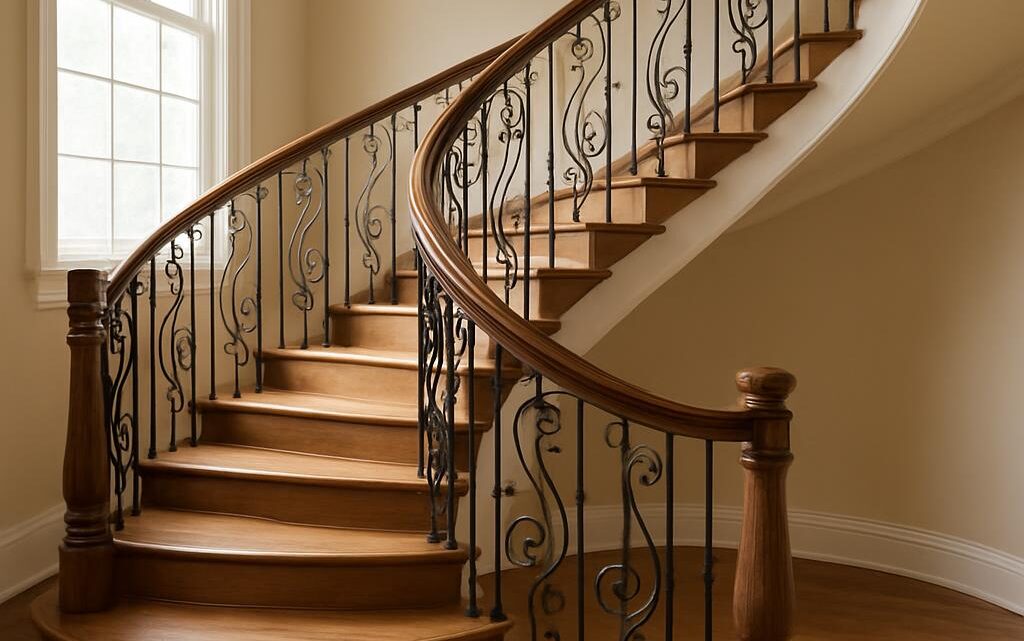
The type of wood used significantly impacts the durability of wooden stairs. Hardwoods such as oak and ash are favored for their resistance to wear and tear. In contrast, softer woods might not withstand daily use as effectively. For example, oak has a high abrasion resistance, making it ideal for high-traffic areas.
Does moisture content matter in wooden stairs?
Yes, moisture content is critical for the longevity of wooden stairs. Wood intended for stairs should have a moisture level between 8–12%. If the wood is too wet, it may lead to cracks and squeaks as it dries, impacting both sound and integrity. Proper acclimatization of the wood is vital prior to installation to prevent these issues.
When should you choose solid versus engineered wooden stairs?
Choosing between solid and engineered wooden stairs depends on the desired durability and dimensional stability. Solid wood stairs are classic and can be refinished multiple times, but they may warp with humidity changes. Engineered wood, on the other hand, is more dimensionally stable and less susceptible to warping, making it suitable for various environmental conditions.
How do surface finishes influence the maintenance of wooden stairs?
Surface finishes like varnishes and oils greatly influence the maintenance of wooden stairs. Varnish provides a strong barrier against dirt and moisture, making it easier to clean. Conversely, oil finishes enhance the wood’s natural beauty and allow for spot repairs without complete refinishing. Each has its benefits depending on aesthetic desires and maintenance capabilities.
Why is ergonomic design crucial in wooden stair construction?
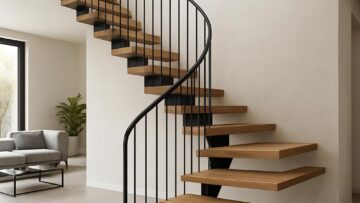
Ergonomic design is essential in wooden stair construction to ensure safety and comfort. The optimal height for stairs should be between 15–18 cm, with a width of 25–32 cm. Proper dimensions reduce the risk of accidents, while features like nosing can help keep the stairs cleaner and more functional.
Which finishing technique provides the best anti-slip properties for wooden stairs?
Finishing techniques like brushing provide excellent anti-slip properties for wooden stairs. This method gives the wood a textured surface that can help reduce slipping, which is especially beneficial in households with children and elderly individuals. Additionally, a textured finish can help conceal minor scratches and wear over time.
| Wood Type | Hardness (Janka Scale) | Moisture Resistance | Usability |
|---|---|---|---|
| Oak | 1360 | High | Very Durable |
| Ash | 1320 | High | Very Durable |
| Beech | 1300 | Medium | Prone to Warping |
The selection of wooden stairs is a blend of craftsmanship and engineering principles that assures lasting quality and style. Factors like wood type, moisture content, construction methods, and finishes significantly influence performance and appearance. For example, opting for wooden stairs made from sturdy hardwoods and finished with the right techniques can ensure safe, durable, and aesthetically pleasing results.