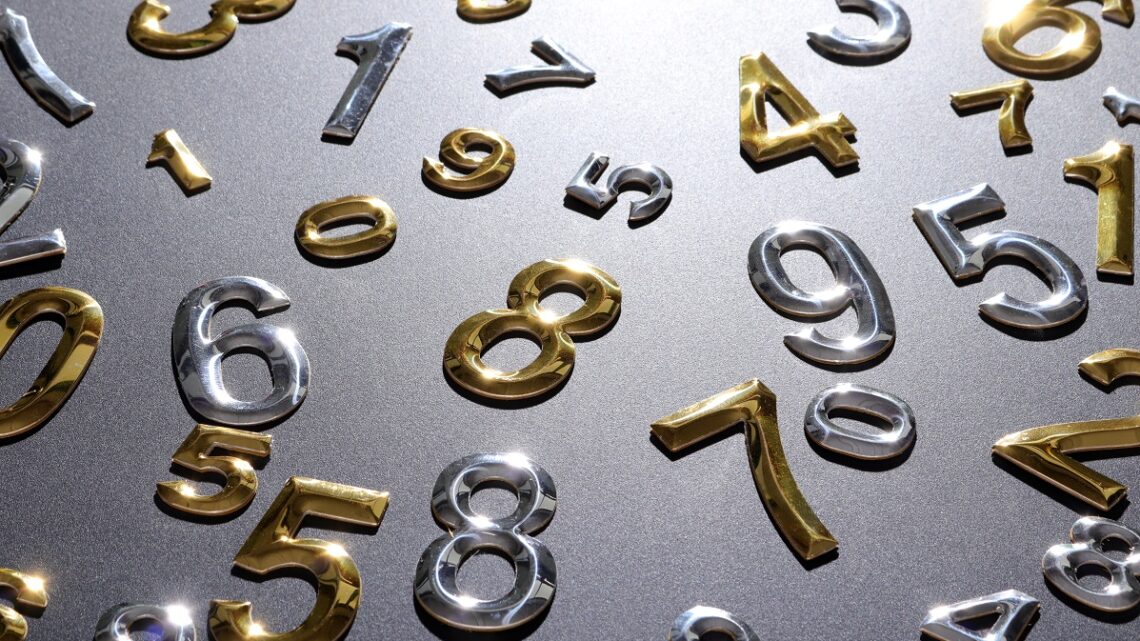
Numbers have intrigued and fascinated humanity for centuries. Beyond their practical applications in mathematics and science, numbers hold symbolic meanings and cultural significance in various aspects of life. In this article, we will explore the significance of the most popular numbers and their influence on different aspects of life.
Number 7: The Mystical and Divine
Number 7 is often associated with spirituality and divinity in many cultures and religions. It is considered a lucky number, representing perfection, completeness, and the connection between the physical and spiritual realms. The significance of 7 is found in ancient civilizations, including the seven wonders of the world, the seven chakras in Hinduism, and the seven days of creation in the Bible. Its mystical connotations continue to influence beliefs and rituals today.
Number 3: The Symbol of Harmony and Creativity
Number 3 holds significant meaning as a symbolic triad in various cultures. It represents harmony and balance, encompassing concepts such as past, present, and future or mind, body, and soul. The power of 3 is evident in storytelling, where the „Rule of Three” is frequently used to create engaging narratives. Additionally, the concept of Trinity in Christianity further emphasizes the creative and spiritual significance of this number.
Number 8: The Symbol of Prosperity and Abundance
In many cultures, number 8 is considered a symbol of prosperity and abundance. Its shape resembles the infinity symbol, representing an infinite flow of positive energy and financial success. The significance of 8 is particularly strong in Chinese culture, where it is associated with good luck and fortune. In fact, the Beijing Olympics began on August 8, 2008 (08/08/08) at 8:08 pm, emphasizing the auspicious nature of this number.
Number 4: The Symbol of Stability and Structure
Number 4 is often associated with stability and grounding. In numerology, it is linked to the earth element, emphasizing practicality, reliability, and structure. The significance of 4 can vary across cultures. In Chinese culture, the pronunciation of number 4 is similar to the word for „death,” making it an unlucky number. On the other hand, in Western cultures, the number 4 is generally perceived as neutral or positive.
Number 9: The Symbol of Completion and Enlightenment
Number 9 holds significance as a symbol of completion and endings. It represents the final stages of a cycle, leading to renewal and new beginnings. In numerology, number 9 is associated with wisdom and spiritual enlightenment. Its meaning transcends the material world, encompassing compassion, humanitarianism, and universal love.
Number 1: The Symbol of Independence and Leadership
Number 1 represents individuality and independence. It is often associated with leadership, ambition, and determination. Number 1 symbolizes new beginnings and fresh starts. It embodies the idea of forging one’s path and taking charge of one’s destiny.
Conclusion
Numbers have played a significant role in shaping human beliefs, culture, and spirituality throughout history. The popularity and symbolism of certain numbers persist across cultures, influencing various aspects of life, from spiritual practices to cultural traditions. While the meanings attributed to numbers may vary, their significance remains an integral part of human fascination and curiosity. Whether we seek luck, prosperity, or spiritual enlightenment, numbers continue to weave their magical influence in the tapestry of life, connecting us to the mysteries of the universe.