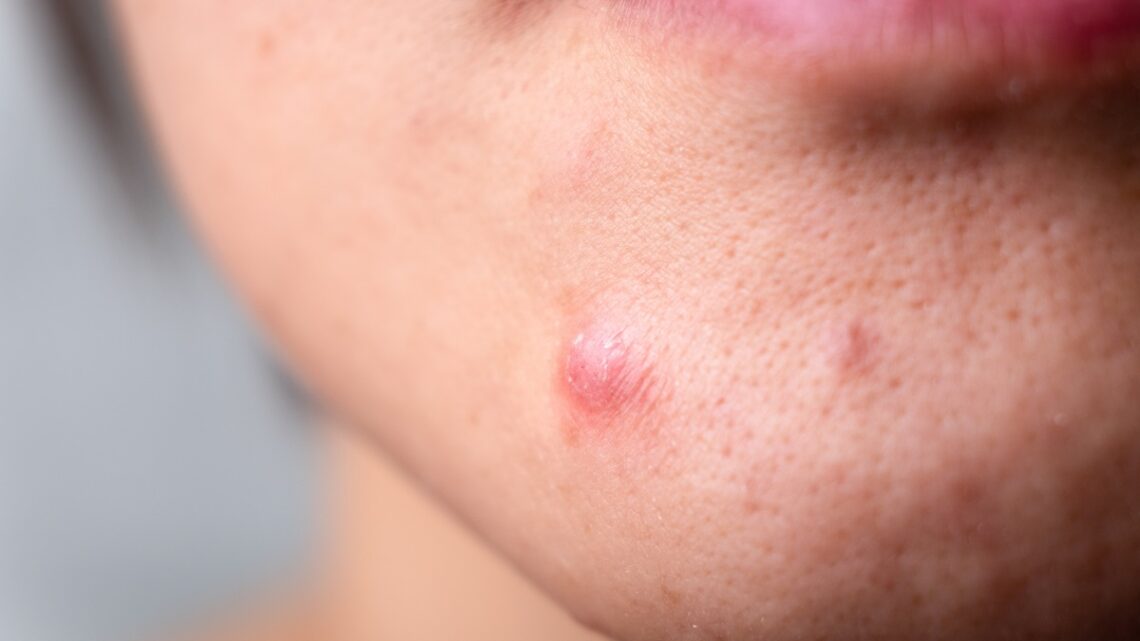
In today’s world, the quest for flawless skin can sometimes seem like a never-ending journey. Among the myriad skin concerns people experience, acne is one of the most common, affecting not just teenagers but adults as well. This guide offers a step-by-step approach to acne skin care, providing you with a solid foundation for maintaining a clear and healthy complexion.
Understanding Acne: The Basics
Before delving into specific skincare steps, it’s essential to understand what acne is. Acne is a skin condition characterized by the occurrence of blemishes, which can appear as blackheads, whiteheads, pimples, or deeper lumps (cysts or nodules). These occur primarily on the face, but can also appear on the neck, chest, back, shoulders, and upper arms.
Several factors contribute to acne, including excess oil production, clogged hair follicles, bacteria, and hormonal changes. Understanding these causes can help inform your skincare routine and ensure you’re targeting acne at its source.
Step 1: Gentle Cleansing
The first step in any acne skincare routine should be cleansing. Washing your face helps remove excess oil, sweat, makeup, dead skin cells, and other potential irritants from your skin’s surface.
Choose a gentle, non-comedogenic cleanser that won’t clog your pores. Use lukewarm water and massage the cleanser into your skin using your fingertips. It’s crucial to cleanse twice a day – in the morning and before bed. Over-cleansing or using harsh products can strip the skin of its natural oils, leading to increased oil production and potentially more breakouts.
Step 2: Exfoliation
Exfoliation is an important step that is often overlooked in skincare routines. It involves the removal of dead skin cells, which can clog pores and contribute to acne.
When exfoliating, opt for products containing salicylic acid or alpha hydroxy acids (AHAs). These ingredients can penetrate the pores and dissolve the 'glue’ that holds dead skin cells together. Limit exfoliation to once or twice a week to prevent skin irritation.
Step 3: Toning
After cleansing and exfoliating, using a toner can help remove any lingering impurities and prepare your skin for the next steps in your routine. A toner with ingredients like witch hazel or niacinamide can help balance the skin’s pH levels and reduce inflammation.
Step 4: Acne Treatments
After toning, apply an acne treatment to target specific blemishes. Look for products containing benzoyl peroxide or salicylic acid. These ingredients can kill bacteria, reduce inflammation, and unclog pores. Remember to follow the manufacturer’s instructions closely, as overuse can lead to skin irritation.
Step 5: Moisturizing
Even if your skin is oily, don’t skip this step. Proper hydration can help regulate oil production and soothe skin, particularly if you’re using drying acne treatments. Choose a non-comedogenic, oil-free moisturizer to hydrate your skin without clogging your pores.
Step 6: Sun Protection
Lastly, always remember to protect your skin from the sun. Many acne treatments can make your skin more susceptible to sun damage. Use a broad-spectrum SPF of at least 30 every day, even when it’s cloudy.
Lifestyle Changes for Acne-Prone Skin
Apart from the skincare routine, several lifestyle changes can also help manage acne. Eating a healthy diet, staying hydrated, getting enough sleep, and managing stress can all have a significant impact on your skin health.
Regular exercise can also help by improving blood circulation and reducing stress, but remember to cleanse your skin immediately after sweating to prevent pore blockage.
When to See a Dermatologist
If you’ve tried over-the-counter treatments and lifestyle changes with little success, it might be time to consult a dermatologist. They can evaluate your skin, determine the cause of your acne, and suggest appropriate treatments, which may include prescription medications or procedures like chemical peels or laser therapy.
Conclusion
Acne skincare is a journey that requires patience and consistency. Following this step-by-step guide can help you establish a routine that works for you. Remember, everyone’s skin is unique, and what works for one person might not work for another. Pay attention to how your skin responds to different products and treatments, and adjust your routine accordingly.