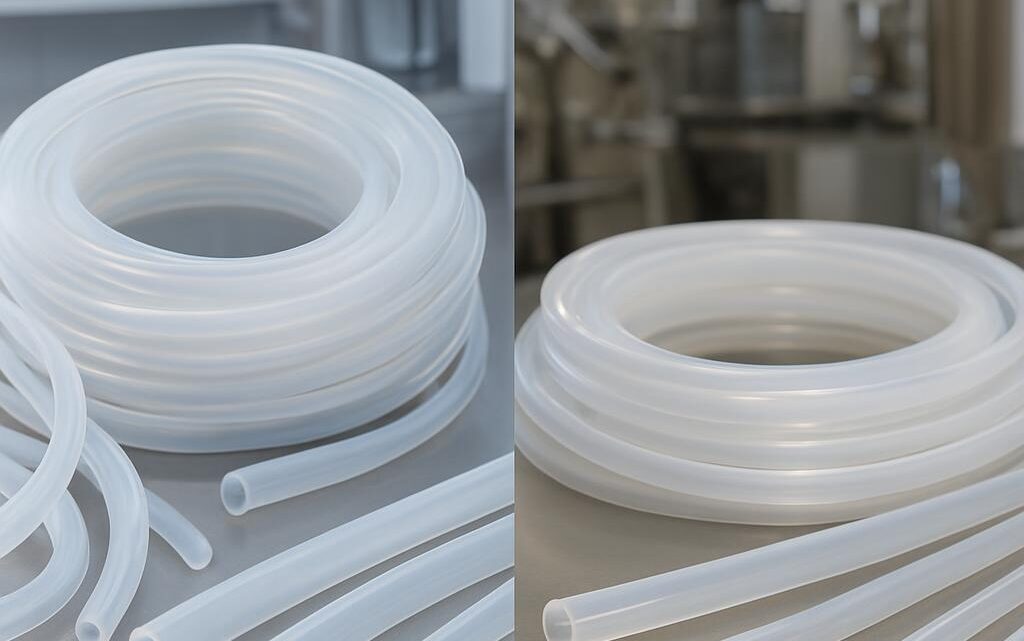
Silicone tubing offers unmatched purity and chemical neutrality, making it ideal for the food and pharmaceutical industries. With its impressive temperature resistance and compliance with strict safety standards, it ensures reliable performance across various applications.
How does silicone tubing ensure chemical neutrality?
Silicone tubing is chemically inert, meaning it does not react with food or pharmaceutical products, preserving their taste, smell, and composition. This property is crucial for meeting stringent health regulations in both industries. For instance, silicone does not leach plasticizers, ensuring that medications maintain their efficacy without contamination.
Does silicone tubing provide temperature resistance?
Yes, silicone tubing is highly resistant to temperature fluctuations, remaining flexible in a range from -60°C to +200°C, and even up to +300°C in special versions. This resistance allows for steam sterilization in autoclaves, making it suitable for high-pressure applications. Various industries, such as pharmaceuticals, utilize this feature for sterilization processes in their production lines.
When is silicone tubing preferred over other materials?
Silicone tubing is favored over alternatives like PVC or EPDM due to its superior microbiological cleanliness and broader temperature range. For example, in dairy production, silicone’s non-toxic properties and easy sterilization processes make it a safer choice for transferring milk and dairy products.
How much does compliance with standards matter for silicone tubing?
Compliance with standards is critical in ensuring the safety of silicone tubing. It must meet the FDA regulations and European legislation for food contact materials. Non-compliance can lead to safety risks and product recalls, which emphasize the importance of certification in manufacturing practices.
Why is biocompatibility significant for silicone tubing in pharmaceuticals?
Biocompatibility is essential for silicone tubing used in pharmaceuticals because it must be safe for contact with bodily tissues and fluids. Silicone tubing can pass USP Class VI tests, ensuring its applicability in sensitive operations like vaccine production or dialysis.
Which methods of crosslinking affect silicone tubing performance?
The type of crosslinking significantly influences the performance of silicone tubing. Platinum-curing enhances transparency and eliminates byproducts, making it suitable for pharmaceutical applications. In contrast, peroxide-curing offers a cost-effective alternative for less demanding food applications but may not have the same level of purity.
| Type | Crosslinking Method | Applications | Key Benefits |
|---|---|---|---|
| Platinum-Cured | Platinum | Pharmaceuticals, Biotechnology | High purity, no flavor leaching |
| Peroxide-Cured | Peroxide | Food Industry | Cost-effective, good thermal resistance |
Silicone tubing represents a key element in modern production lines within the food and beverage, as well as the pharmaceutical industries. Its benefits, including chemical neutrality, thermal resistance, and compliance with rigorous standards, make it ideal for hygienic processes. While the initial costs may be higher compared to some conventional materials, the long-term advantages in efficiency and safety far outweigh these concerns.