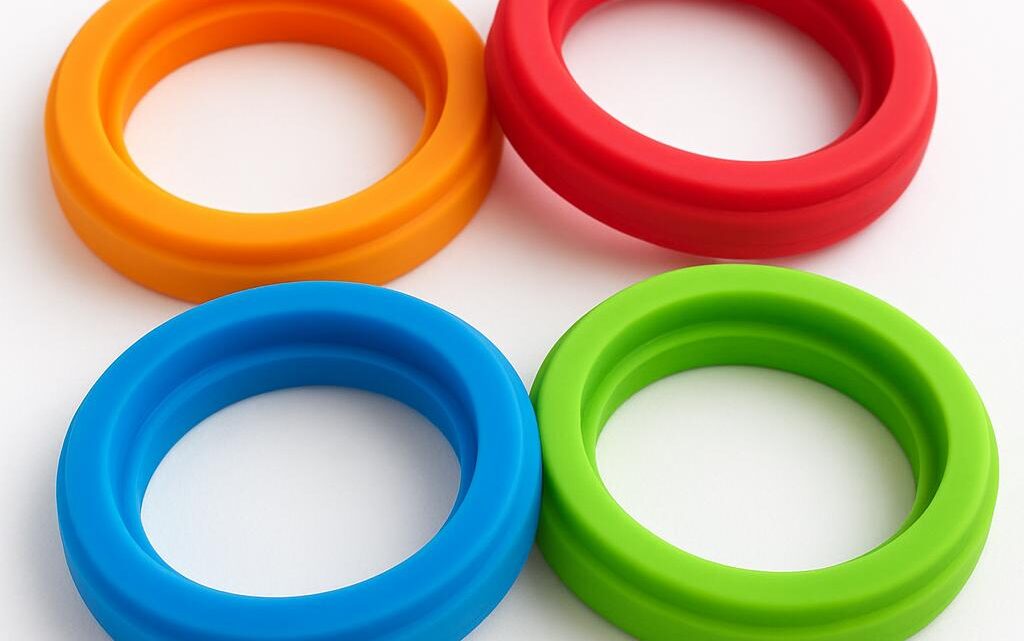
Silicone sponge seals are lightweight, compressible, and provide excellent thermal and acoustic insulation, making them an ideal choice for applications where water resistance and environmental durability are critical.
How do silicone sponge seals work?
Silicone sponge seals function by utilizing a closed-cell structure that prevents water penetration and minimizes sound transmission. This advanced structure allows them to be high performers in isolation and sealing applications. For instance, in environments that face drastic temperature changes, these seals maintain their integrity due to the material’s thermal resistance.
Why choose silicone sponge seals over other materials?
Silicone sponge seals are preferred due to their exceptional resistance to temperature extremes and very low permanent deformation. Unlike EPDM or NBR seals, silicone sponge maintains flexibility from -60°C to +230°C. A practical example is seen in HVAC applications where seals need to withstand varying temperatures and pressure changes without compromising their sealing capabilities.
When should silicone sponge seals be used?
Silicone sponge seals should be used in applications where exposure to weather conditions, thermal fluctuations, and humidity can degrade performance. Typical environments include outdoor installations and automotive components. An example of effective use is in railway carriages, which require components to function in diverse weather while maintaining passenger comfort.
How much do silicone sponge seals cost?
The cost of silicone sponge seals varies based on density, hardness, and specific application requirements. Generally, prices are higher than those for conventional seals, but the investment pays off due to the longevity and reliability of silicone. Cost efficiency is evident in sectors like food production and healthcare, where compliance with stringent safety standards justifies the initial expense.
Which applications benefit from silicone sponge seals?
Applications that benefit from silicone sponge seals include automotive, HVAC systems, and electronic devices. Their ability to withstand extreme environments while providing excellent sealing properties makes them indispensable. For instance, in lighting systems, silicone sponge seals protect sensitive components from moisture, enhancing durability and efficiency.
| Property | Silicone Sponge | EPDM | NBR |
|---|---|---|---|
| Temperature Range | -60°C to +230°C | -40°C to +120°C | -30°C to +100°C |
| Water Absorption | 0% | Low | Moderate |
| Permanence Deformation | Very low | Moderate | High |
| UV and Ozone Resistance | Excellent | Fair | Poor |
In conclusion, silicone sponge seals provide a unique advantage in various industrial applications where sealing performance and environmental resistance are critical.