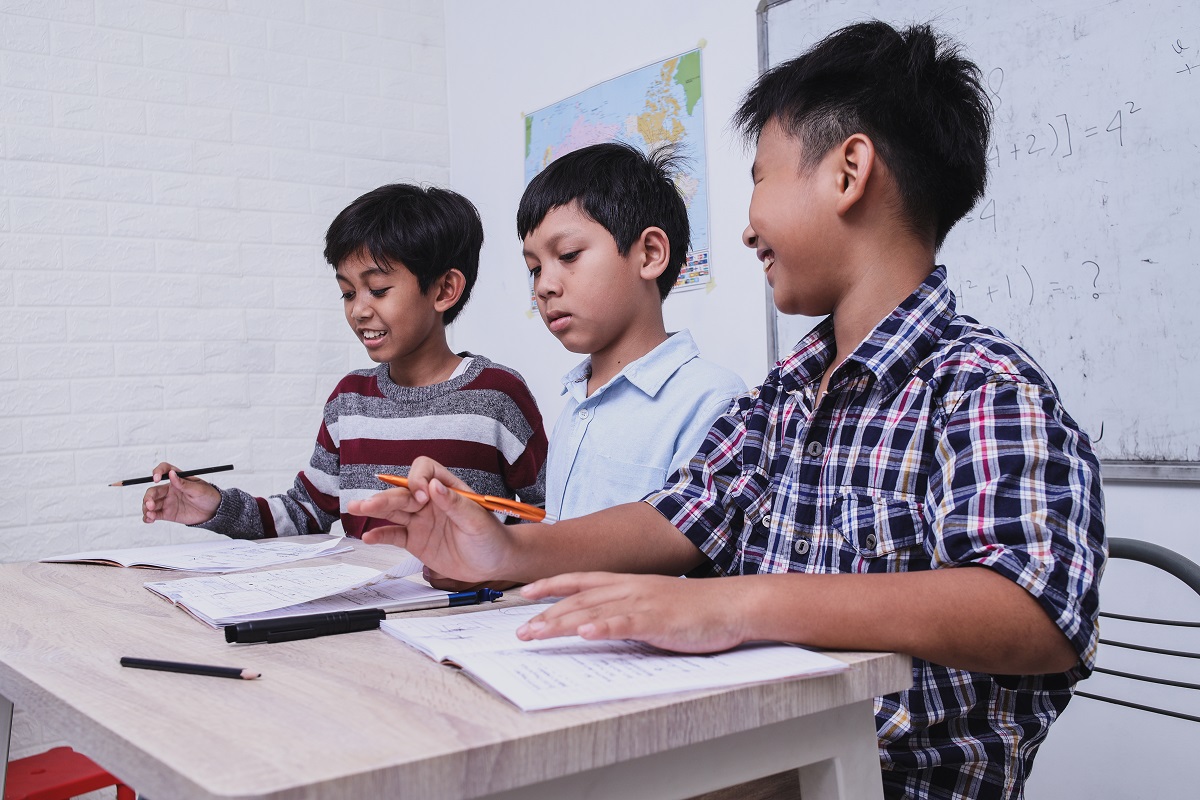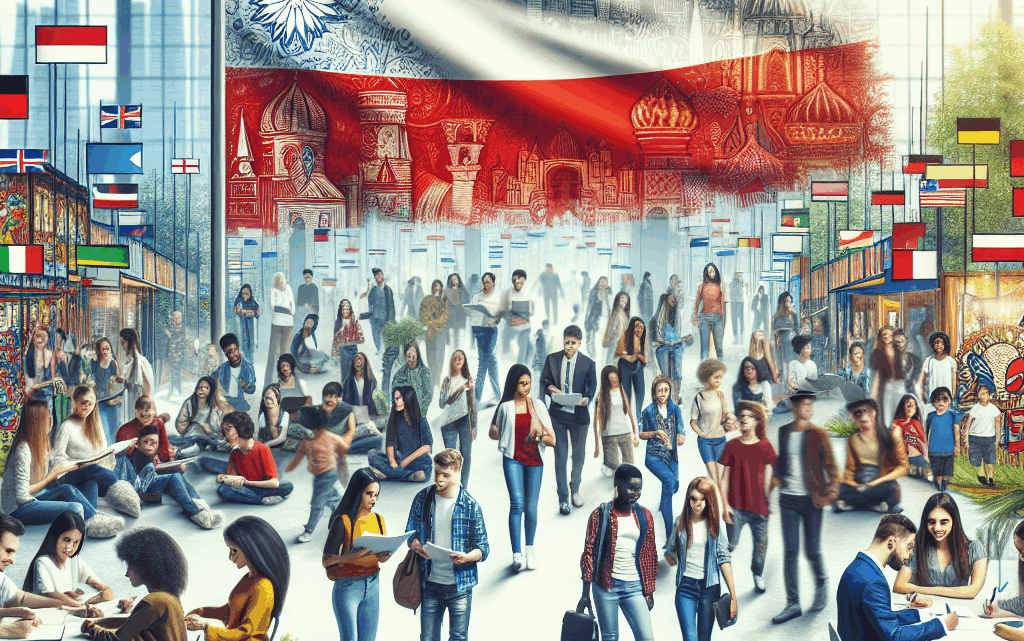
Poland has become an attractive hub for international education, thanks to the numerous international schools offering quality education that caters to expatriates and globally minded Polish families. Attending an international school in Poland can provide students with a well-rounded education in a multicultural environment, equipping them with skills and perspectives that are beneficial for their future.
Overview of International Schools in Poland
The landscape of international education in Poland is diverse, with schools offering various curriculums ranging from the International Baccalaureate (IB) to the British and American curricula. Most international schools in Poland are located in major cities such as Warsaw, Kraków, and Gdansk. These schools provide education in English, although many also offer the opportunity to learn in bilingual setups.
Types of International Curricula Available
Families considering international school in Poland have several options in terms of curricula:
- International Baccalaureate (IB): Recognized worldwide, the IB program is renowned for its rigorous educational standards and its focus on developing critical thinking and research skills.
- British Curriculum: Also known as the National Curriculum for England, it includes the GCSE and A-Level exams, providing students a structured and recognized framework.
- American Curriculum: With a focus on liberal arts education, this curriculum typically culminates in the High School Diploma, which is accepted by universities worldwide.
- Other National Curricula: Some schools offer education based on the national curriculum of their home country, including French, German, or Canadian systems.
Benefits of Attending an International School in Poland
Choosing an international education in Poland offers several benefits:
- High Academic Standards: International schools are often known for their high educational standards and a wide range of extracurricular activities.
- Multicultural Environment: Exposure to a diverse student body helps in fostering cultural understanding and global awareness.
- Language Proficiency: Most classes are conducted in English, providing an excellent opportunity for students to become proficient in the language.
- Preparation for Global Opportunities: Students become well-prepared to apply to universities and job markets around the world.
Choosing the Right International School
When selecting an international school in Poland, it’s essential to consider several factors to ensure it fits your family’s needs:
- Curriculum Suitability: Ensure the curriculum aligns with your child’s educational goals and future aspirations.
- Accreditation and Reputation: Check if the school is accredited by relevant international bodies, which can be a mark of quality.
- School Location: Consider the proximity to your home or workplace to avoid long commute times.
- Facilities and Extracurriculars: Assess the school’s facilities and the range of extracurricular activities offered.
- Community Engagement: A supportive school community can significantly enhance the educational experience for both students and parents.
The Application Process for International Schools
Most international schools in Poland have a thorough application process designed to ensure a good fit between the student and the school environment:
- Application forms often require detailed information about the student’s academic history and personal interests.
- Schools may conduct entrance exams or interviews to assess aptitude and language proficiency.
- Some schools offer rolling admissions, while others may have strict application deadlines, so it’s vital to check the requirements well in advance.
Tuition and Financial Considerations
The cost of attending an international school in Poland can vary widely. Tuition fees depend on the school’s prestige, curriculum, and location. Additionally, some schools offer scholarships or financial aid opportunities:
- While international education in Poland is an investment, many families find the benefits—such as high academic standards and diverse cultural exposure—worth the cost.
- It is essential to budget for additional costs that may include uniforms, extracurricular activities, and school trips.
- Some companies offer educational benefits as part of expatriate packages, which can alleviate costs.
Conclusion
International schools in Poland offer a comprehensive education characterized by high standards, a multicultural environment, and diverse curricular options. These schools prepare students to meet the challenges of a globalized world, ensuring they are not only academically accomplished but also culturally aware and socially responsible. Whether you are an expatriate or a local family, choosing an international school in Poland represents a significant step towards providing your child with a balanced and enriched educational experience.
„`