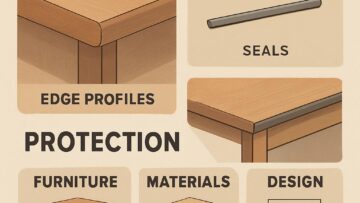
Edge profiles are essential components in machinery and enclosures, providing safety by covering sharp metal edges and offering protection against external factors. They are typically made from materials such as EPDM or NBR, catering to various industrial requirements.
How do edge profiles enhance safety in machinery?
Edge profiles play a critical role in enhancing safety by preventing injuries from sharp metal edges. This is particularly vital in environments where operators interact with machinery regularly, ensuring compliance with workplace safety standards. For instance, a manufacturing facility using edge profiles can significantly reduce the risk of cuts and abrasions.
Why are specific materials used for edge profiles?
Materials such as EPDM, NBR, and PVC are utilized for edge profiles based on their unique properties. EPDM offers excellent weather and UV resistance, making it ideal for outdoor applications, while NBR excels in environments demanding resistance to oils and greases. PVC serves as a cost-effective solution for indoor use, catering to budget-sensitive projects.
Which features enable easy installation of edge profiles?
The construction of edge profiles often includes a flexible body reinforced with a metal or nylon core, allowing for easy push-fit installation. This method eliminates the need for adhesives and accommodates various shapes, including curves and angles. Such designs simplify the installation process, making it accessible for quick assembly in manufacturing settings.
When are specialized edge profiles necessary?
In sectors like food and pharmaceuticals, specialized edge profiles made from silicone or FDA-compliant materials are necessary to meet hygiene standards. These profiles are engineered to withstand exposure to aggressive cleaning agents while ensuring that no contaminants affect the product’s integrity.
How do edge profiles contribute to equipment protection?
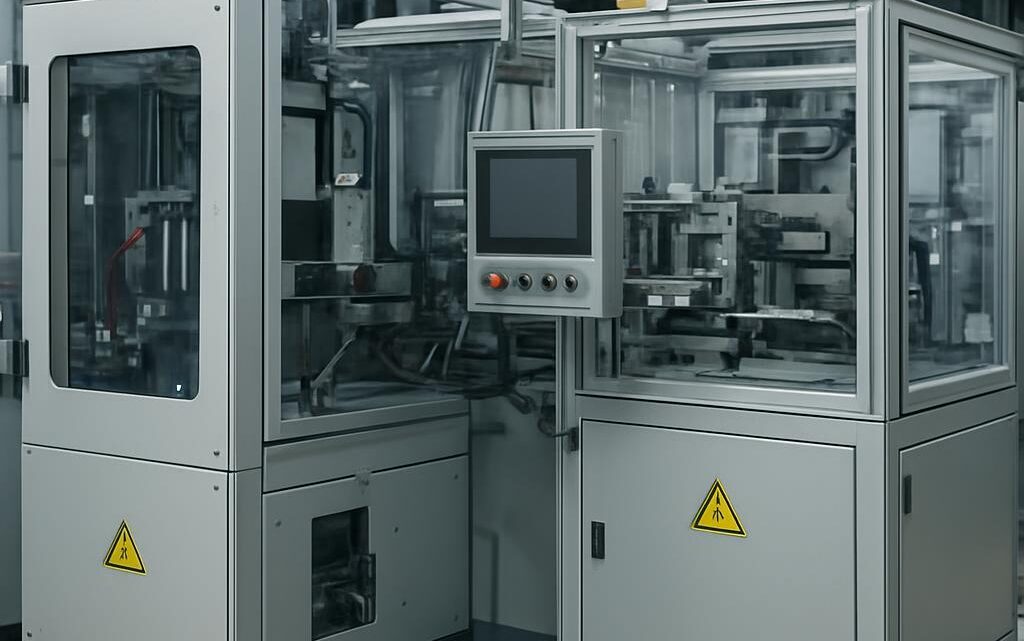
Edge profiles significantly contribute to the protection of internal components from dust, moisture, and noise. By integrating seals within edge profiles, industries can achieve high degrees of ingress protection, such as IP65 or IP66, which is crucial for electrical enclosures and control cabinets. This level of protection is vital for ensuring the longevity and reliability of sensitive electronic components.
How do edge profiles vary in thickness for different applications?
The choice of edge profile thickness depends on the edge thickness of the metal sheets they are designed to cover. Standard thickness ranges from 0.5 mm to 12 mm, accommodating a variety of applications across different industries. For example, heavier machinery may require thicker profiles to ensure optimal protection and safety.
| Material | Resistance | Use Case |
|---|---|---|
| EPDM | Weather, UV | Outdoor applications |
| NBR | Oils, Greases | Machinery in oily environments |
| PVC | Economical | Indoor use |
| Silikon | FDA Compliant | Food and pharmaceutical industries |
In summary, the careful selection and integration of edge profiles are essential to meet specific industry needs while enhancing safety and compliance with various regulations.