Co-extrusion is an innovative process that combines multiple materials with varied properties into a single profile, significantly reducing production costs and enhancing product quality. This technology is particularly beneficial in industries such as construction and automotive.
How does co-extrusion work?
Co-extrusion works by simultaneously extruding multiple materials through a specialized die. This technique allows for the integration of materials with different properties, creating a single cohesive profile. During the process, materials must have compatible chemical properties and similar processing temperatures to ensure proper bonding. For instance, using a rigid PVC core with a soft PVC or TPE seal enhances the product’s durability and sealing efficiency.
Does co-extrusion reduce production costs?
Yes, co-extrusion significantly reduces production costs by eliminating secondary assembly processes such as gluing or welding. This streamlined approach lowers labor expenses and improves manufacturing efficiency. For example, combining various materials in a single extrusion reduces the number of steps required to complete a product, which can lead to substantial cost savings over time.
When is co-extrusion suitable for recycling materials?
Co-extrusion is particularly suitable for recycling materials when the core of the profile can be made from recycled polymers while the outer layer uses virgin material. This method not only supports sustainability initiatives but also meets the regulations regarding the circular economy. Utilizing recycled content within profiles allows manufacturers to lower the carbon footprint of their products while maintaining quality.
How much flexibility does co-extrusion offer in material choice?
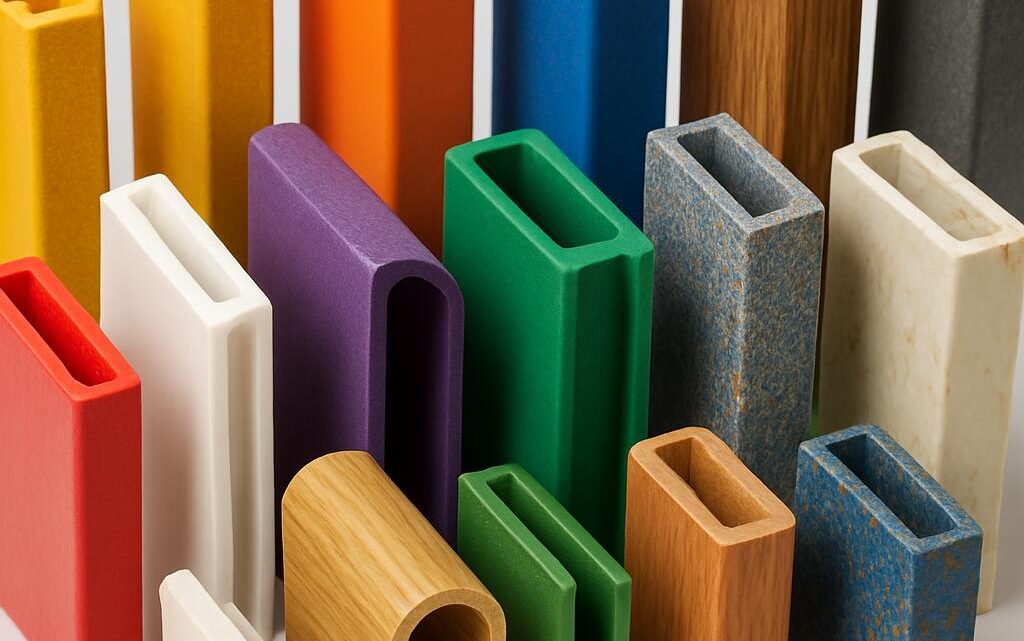
Co-extrusion offers considerable flexibility in material choices, allowing manufacturers to combine materials with varying hardness, colors, and functional properties. For instance, integrating flexible TPE for seals with a rigid PVC frame creates products that are both sturdy and water-resistant. This adaptability is essential for customizing products to meet specific market demands.
Why is co-extrusion vital for product aesthetics?
Co-extrusion enhances product aesthetics by allowing for smooth transitions between different materials, resulting in visually appealing finishes. This capability is crucial in industries like home furnishings and automotive, where design is a key factor. For example, a co-extruded window profile can have an appealing exterior color that complements a building’s design while providing reliable indoor insulation.
| Aspect | Traditional Method | Co-extrusion |
|---|---|---|
| Production Steps | Multiple steps (assembly, gluing) | Single step (simultaneous extrusion) |
| Material Use | Single type or multiple adhesive bonds | Multiple types without adhesives |
| Cost Efficiency | Higher due to labor and materials | Lower through optimized processes |
| Recycling Capability | Limited | Excellent with inner recycled materials |
The benefits of co-extrusion are profound, especially in advancing sustainable practices while maintaining high-quality production standards. For more detailed insights on how co-extrusion works, visit this co-extrusion resource.
Which industries benefit most from co-extrusion?
The industries that benefit most from co-extrusion include construction, automotive, and furniture manufacturing. Each of these sectors utilizes co-extrusion to create profiles that need a combination of durability and visual appeal. For instance, window profiles in the construction industry often incorporate co-extrusion to achieve energy efficiency and aesthetic appeal simultaneously.