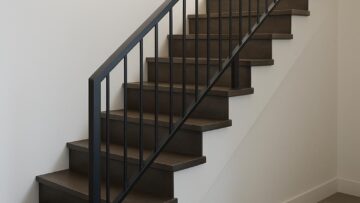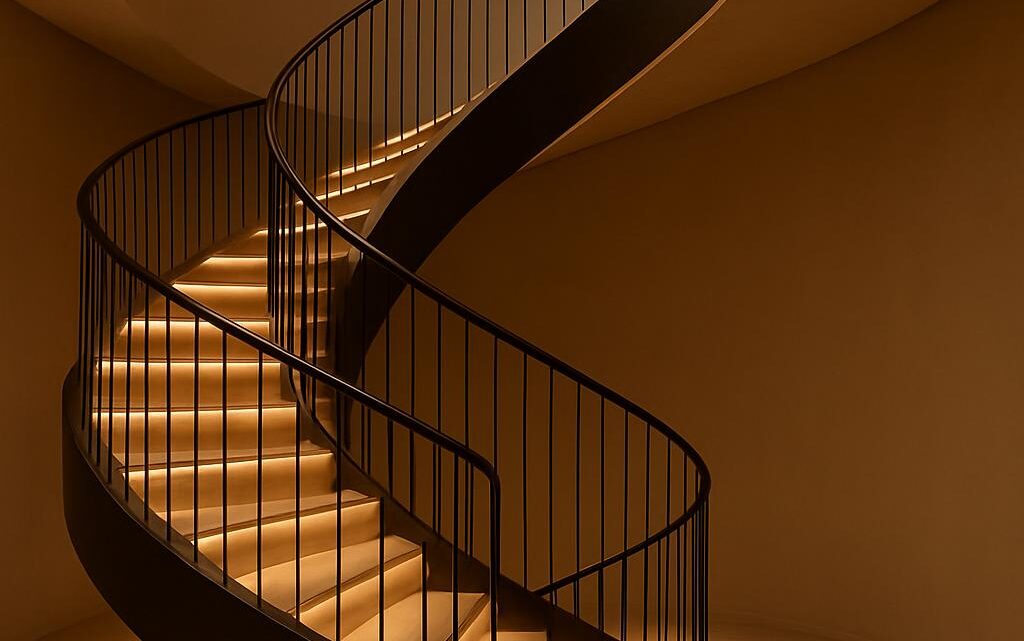
Stairs with a bottom winder offer a space-saving solution while combining functionality with aesthetic appeal. Their unique design allows for a change in direction right from the bottom, making them ideal for homes with limited space. This modern approach not only enhances the interior but also maintains safety and comfort.
How do stairs with a bottom winder save space?
Stairs with a bottom winder significantly reduce the floor area required compared to traditional staircases. This is due to their unique design that eliminates the need for landings, allowing for an efficient use of space in smaller homes or areas with limited dimensions. For example, instead of requiring a wide landing, these stairs can fit in tighter corners while still providing a safe transition between levels.
Why are bottom winder stairs visually appealing?
The aesthetics of bottom winder stairs are enhanced by the sculptural effect of the curved steps, which introduce a dynamic element to the entryway or living area. This unique design breaks the monotony of straight lines often found in modern architecture, making these stairs a focal point in any interior. For instance, a wooden bottom winder staircase can serve as an elegant centerpiece, contributing to a sophisticated open space.
What ergonomic considerations are important for bottom winder stairs?
Ergonomics play a crucial role in the design of bottom winder stairs, particularly regarding the width of the steps. Ideally, the width should be approximately 40 cm at the inner edge to ensure comfortable footing as the step narrows. Proper design ensures that there is adequate support for the foot, enhancing both safety and usability for all residents and visitors.
How do bottom winder stairs integrate with furniture?
The lower part of bottom winder stairs often functions as an opportunity for creative integration with built-in furniture and storage solutions. Beneath the initial steps, homeowners can design stylish storage or seating arrangements that complement the overall decor. For example, incorporating storage drawers or a cozy bench can optimize the space beneath the staircase and contribute to a more organized living area.
When do regulations on bottom winder stairs come into play?
Building regulations specify essential dimensions to ensure safety and usability of bottom winder stairs. Polish law states that the minimum width of the step must be 25 cm at its widest and 10 cm at its narrowest point. Adhering to these regulations is vital during the planning and construction stages to ensure compliance and safety for the inhabitants.
Which materials are best for constructing bottom winder stairs?
Bottom winder stairs can be constructed from various materials, with wood, glass, and concrete being among the most popular. The choice of material affects not only the visual impact but also the durability of the staircase. For example, a glass staircase design can enhance light flow, making the space feel larger, while wooden steps provide warmth and a classic feel.
| Material | Advantages | Disadvantages |
|---|---|---|
| Wood | Warmth, aesthetic appeal, easy to customize | Can be prone to wear and damage over time |
| Glass | Modern look, enhances natural light | Requires regular cleaning, can be slippery |
| Concrete | Durability, fire resistance | Cold appearance if not designed thoughtfully, heavy |
Implementing stairs with a bottom winder into your home not only maximizes space but also elevates your interior design with their striking appearance. By considering factors such as ergonomics, aesthetic appeal, and material choice, one can create a beautiful and functional staircase that serves as a unique architectural feature in any home.