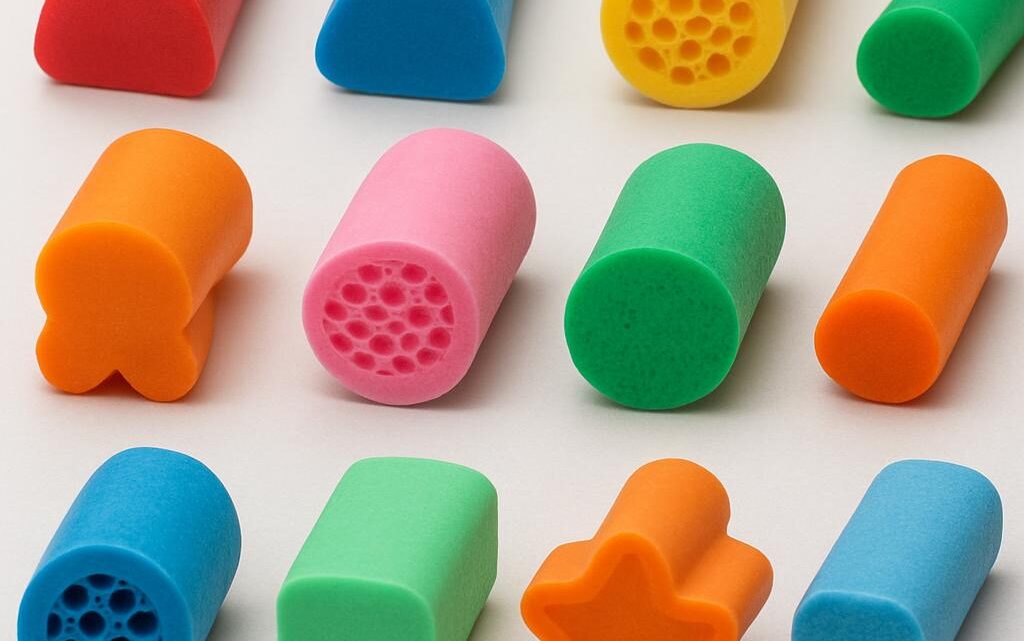
Silicone cords are renowned for their exceptional versatility, hardness range, and resistance to extreme temperatures and chemicals. They are crucial for applications in various industries, especially where traditional rubber materials may fail. Understanding the characteristics of silicone cords, including cross-section variations, hardness options, and compliance with safety standards, is essential for selecting the right materials for specific needs.
How does silicone cord hardness affect its performance?
The hardness of silicone cords impacts their flexibility and durability, which is measured on the Shore A scale. Most silicone cords in Poland range from 30 to 80 ShA, with 60 ShA being the industry’s standard. This balance allows for elasticity while ensuring good resistance to deformation. For instance, a cord with a hardness of 40 ShA will be more flexible and suitable for dynamic seals, whereas a cord at 70 ShA offers more robust structural integrity for static applications.
Which cross-sections of silicone cords are most common?
Silicone cords are available in various cross-sections, with the most common being round, square, and rectangular profiles. Round cords typically range from 1 mm to 40 mm in diameter. Additionally, specialized profiles, such as P-shaped and trapezoidal, cater to specific industrial designs. Each type has its advantages, with round sections often preferred for their ease of sealing, while flat profiles may work better in specific machinery applications.
What is the thermal resistance of silicone cords?
Standard silicone cords can withstand temperatures from -50°C to +200°C, while specialized versions can briefly endure temperatures up to +300°C. This feature makes silicone cords ideal for high-temperature applications such as food processing and industrial machinery. For example, culinary applications often utilize silicone cords that remain functional and safe under the heat generated in ovens and cooking equipment.
When is FDA/PZH certification necessary for silicone cords?
FDA or PZH certification becomes essential in food and pharmaceutical industries to ensure that silicone cords are non-toxic and do not alter the taste or odor of products. Certifications provide assurance that the materials meet stringent safety and quality standards required for contact with food. This is crucial for manufacturers looking to comply with health regulations while maintaining product integrity.
How are silicone cords joined for enhanced sealing?
Silicone cords can be joined to form closed loops, known as O-rings, either by using specialized cyanoacrylate adhesives or through hot vulcanization. Both methods significantly enhance the sealing capability of silicone cords, ensuring leak-proof connections in applications like pumps and valves. For example, a properly vulcanized silicone O-ring can effectively seal components in high-pressure systems.
Why is chemical resistance important for silicone cords?
Silicone cords exhibit excellent chemical and environmental resistance, being impervious to UV radiation and ozone. This quality ensures that they remain operational in harsh atmospheric conditions without degrading or cracking. It makes them advantageous for outdoor applications, where exposure to elements can compromise other materials. For instance, silicone cords used in agricultural machinery can withstand prolonged exposure to varying weather conditions without loss of function.
| Property | Standard Range | Specialist Versions |
|---|---|---|
| Hardness (ShA) | 30 – 80 | Up to 80 |
| Temperature Resistance | -50°C to +200°C | Up to +300°C (briefly) |
| Cross Sections | Round, Square, Rectangular | P-type, Trapezoidal |
| Chemical Resistance | High (UV, Ozone) | Exceptional durability |
For industries relying on dependable sealing solutions, silicone cords stand out due to their comprehensive range of properties and capabilities. For more information about silicone cords and their features, you can visit silicone cord vendors.