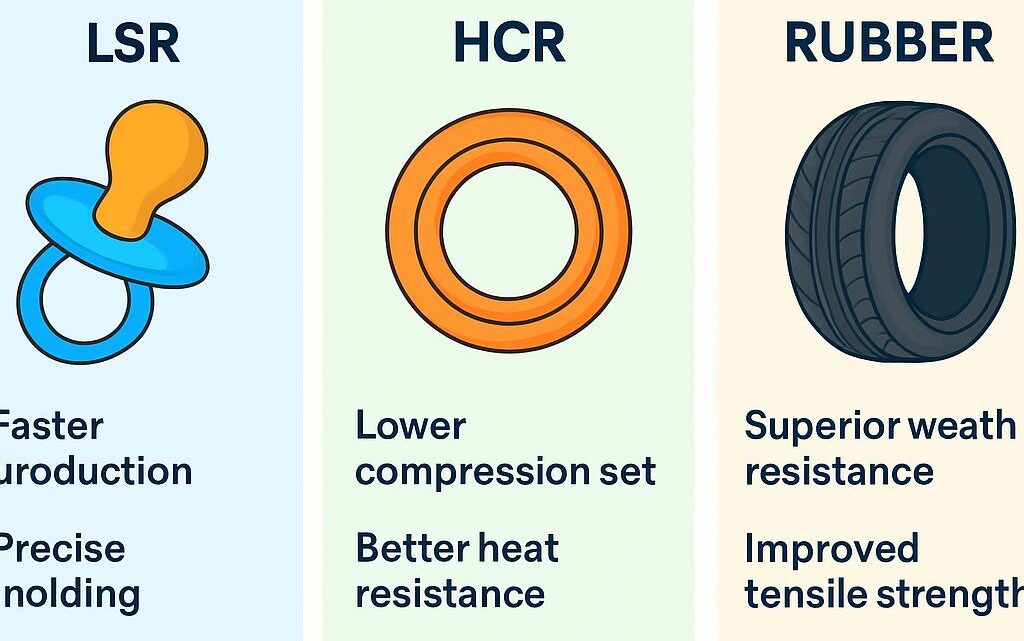
Liquid silicone rubber (LSR) emerges as a highly versatile material that consistently outperforms traditional high-consistency rubber (HCR) and other conventional alternatives in a variety of applications. Understanding where LSR shines can guide engineers and product designers to optimal material choices.
Key Advantages of Liquid Silicone Rubber
Liquid silicone rubber boasts several advantages over HCR that make it a top contender in various industries. Below are some key benefits:
- Superior Thermal Stability: LSR withstands extreme temperatures, ranging from -100°C to 250°C, without losing its properties. This stability is essential for applications in automotive, medical, and electronics.
- Excellent Chemical Resistance: LSR resists many chemicals, including oils, solvents, and cleaning agents. This makes it a preferred choice for environments where exposure to harsh substances is common.
- High Flexibility: Unlike HCR, LSR retains flexibility even at low temperatures, making it ideal for parts that need to bend or elongate without breaking.
- Low Compression Set: LSR maintains its shape and size under compression, providing durable and reliable performance in seals and gaskets.
- Convenient Processing: LSR can be processed rapidly using injection molding, resulting in high precision and short cycle times compared to traditional methods.
Industry Applications Where LSR Outshines HCR
Liquid silicone rubber is particularly advantageous in several key industries:
1. Medical Devices
LSR is biocompatible, making it a safe choice for medical applications such as surgical devices, seals, and tubing. The ability to sterilize LSR components with steam allows for usage in cleanroom environments.
2. Automotive Components
In the automotive sector, the durability and heat resistance of LSR lend themselves to applications like seals, gaskets, and various molded parts that encounter extreme conditions and stress.
3. Electronics
LSR is also prominent in electronics where it is used in connectors and other components. The non-conductive nature of LSR adds a layer of safety and reliability in devices requiring insulation.
4. Consumer Products
For consumer goods such as kitchenware and toys, the ability of LSR to be colored and designed with intricate details allows for enhanced aesthetic qualities and consumer appeal.
Comparative Cost-Effectiveness of LSR
While the initial investment for liquid silicone rubber may appear higher, the long-term benefits often justify this cost. Here’s why:
- Reduced Waste: The precise nature of LSR processing minimizes scrap, unlike HCR methods which might lead to higher material wastage.
- Fewer Defects: The quality control advantages of LSR production translate to fewer defects and reworks, thus saving on labor and material costs.
- Longer Lifespan: Products made from LSR can last significantly longer, reducing the need for replacements and further investments.
Environmental Impact Considerations
Liquid silicone rubber presents a more sustainable alternative to conventional rubber products. Its durability leads to longer product lifespans, which contributes positively to reducing landfill waste. Furthermore, LSR is compliant with various environmental requirements, making it suitable for eco-conscious consumers and businesses.
Innovations in Liquid Silicone Rubber Applications
The innovation surrounding liquid silicone rubber is ongoing, with advancements primarily focusing on enhancing its properties for specialized applications. Areas like 3D printing and integrated sensors are emerging fields where LSR can adapt to various demands.
Summary of Benefits
To summarize, LSR stands out in numerous applications due to its unique characteristics that deliver unmatched performance and efficiency. By choosing liquid silicone rubber over HCR and other traditional options, industries can capitalize on greater flexibility, durability, and reduced total lifecycle costs. The growing range of its applications continues to testify to its versatility and reliability in meeting both consumer and industrial demands.
Ultimately, the strategic selection of liquid silicone rubber can lead to substantial improvements in product quality and operational efficiency across various fields.