Rubber profiles are vital components used in numerous applications across different industries. Their unique properties and versatility make them essential for delivering performance, durability, and reliability. Understanding the most common types, materials, and their optimal applications significantly enhances product effectiveness and ensures customer satisfaction.
Common Types of Rubber Profiles
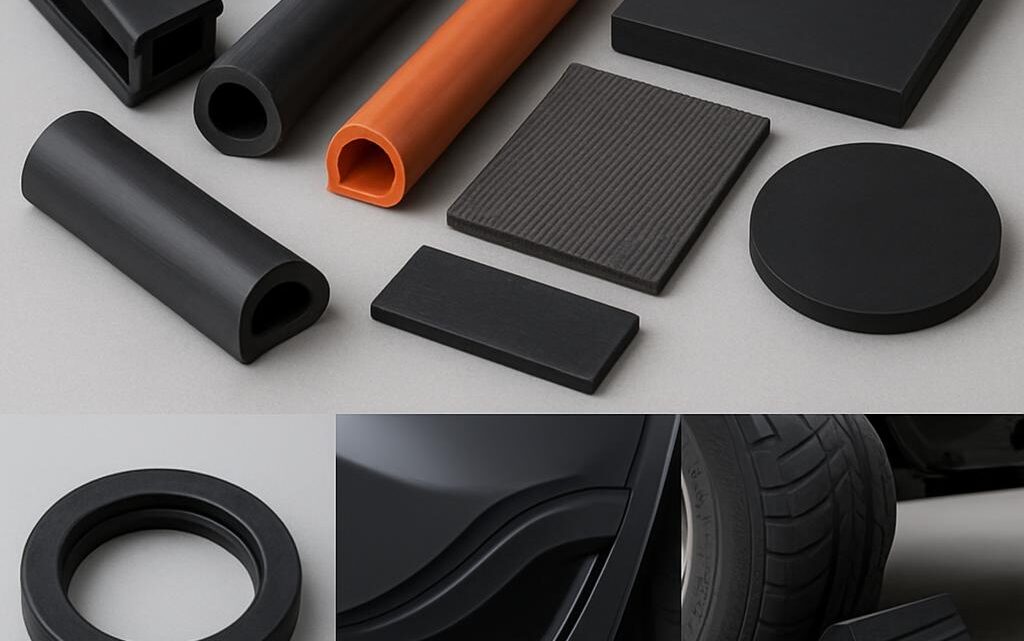
Rubber profiles come in various forms, each tailored for specific uses. The primary types include:
- Weather Stripping Profiles: These profiles are designed to seal gaps around doors and windows, providing insulation and protection from the elements.
- Industrial Seals: Commonly used in machinery, industrial seals prevent the leakage of fluids and gases, ensuring operational efficiency.
- Gaskets: Gaskets make secure and tight seals between surfaces, predominantly in engines and mechanical equipment.
- Edge Trim Profiles: These are used to cover sharp edges and provide a finished look, improving both safety and aesthetics.
- Hoses and Tubing: Flexible rubber tubing and hoses are indispensable in transportation and fluid transfer applications.
Material Choices for Rubber Profiles
The performance and durability of rubber profiles largely depend on the materials used in their manufacture. Here are some widely used materials:
- EPDM Rubber: Known for its outstanding resistance to weather, UV light, and ozone, EPDM rubber profiles are most effective in outdoor applications such as roofing and automotive seals.
- Silicone Rubber: This material excels in extreme temperature conditions, making it an ideal choice for food, medical, and automotive industries, where thermal stability is crucial.
- Nitrile Rubber: With its excellent oil and fuel resistance, nitrile rubber is predominantly used in automotive gaskets and seals to enhance performance and longevity.
- Neoprene Rubber: Neoprene profiles are recognized for their balanced resistance to heat, oil, and weather. They are commonly used in HVAC applications and industrial equipment.
- Natural Rubber: While less durable under exposure to environmental factors, natural rubber is highly elastic and provides excellent resilience, making it suitable for specific applications like vibration damping.
Optimal Applications of Rubber Profiles
The effectiveness of rubber profiles is often determined by their specific application. Here are some industries where they perform exceptionally well:
- Automotive Industry: In vehicles, rubber profiles are leveraged for sealing and insulation, contributing to energy efficiency and passenger comfort.
- Construction: In building applications, they enhance thermal and acoustic insulation, significantly improving energy performance and living conditions.
- Manufacturing: Industrial machinery relies on rubber seals and gaskets to minimize downtime and maintain productivity by preventing leaks and ensuring safe operation.
- Aviation: Lightweight rubber profiles are indispensable for sealing and protecting components, ensuring reliability and safety in flight.
- Food and Beverage: Rubber profiles made from food-grade materials play an essential role in creating a safe environment for manufacturing, storing, and transporting consumables.
Advantages of Using Rubber Profiles
Utilizing rubber profiles presents various benefits, such as:
- Enhanced Durability: High-quality rubber profiles withstand wear and tear, ensuring long-lasting performance in demanding environments.
- Wide Temperature Range: Many rubber materials perform well under extensive temperature fluctuations, making them suitable for various applications.
- Cost-Effectiveness: In the long run, investing in reliable rubber profiles reduces maintenance costs and prevents costly downtime.
- Improved Safety: Rubber profiles provide protection against sharp edges and hazardous conditions, enhancing safety in workplaces and residential areas.
- Customization Options: Manufacturers offer customized solutions tailored to unique specifications, ensuring that clients meet precise needs effectively.
Conclusion
In summary, rubber profiles serve as essential components across multiple sectors. Their selection and implementation are integral to achieving desired performance standards. By understanding the characteristics and applications of different types of rubber profiles, businesses can enhance product reliability and efficiency in various environments.